Virtual Water Quality Resource Centre
Centralizing Critical Data: Developing the National Virtual Resource Centre for Water Quality Education and Research in Sri Lanka.
The Challenge
The challenge was to consolidate various streams of national water quality information, research, and educational materials—often scattered across different government agencies and academic institutions—into one unified, accessible digital platform. The goal was to create a Virtual Water Quality Resource Centre (VWQRC) that served diverse users, from university students and researchers to policymakers and the general public, while addressing a vital national resource issue.
Key Challenges included:
- Data Aggregation and Visualization: Sourcing, standardizing, and visually representing complex scientific data (Maps, Data, Projects) from various monitoring programs in an easy-to-understand format.
- Educational Outreach: Creating a dynamic platform that moved beyond a static repository to include E-Learning (Webinars, Training) and a Knowledge Hub to actively support national water quality education.
- Authority and Trust: The portal needed a highly professional, reliable, and secure infrastructure to establish itself as the authoritative national source for water quality information.
User Segmentation: Designing navigation that effectively guides different user groups (e.g., a student looking for a syllabus vs. a researcher needing raw data) to relevant content quickly.
Our Solution
Our approach focused on creating a centralized, user-centric knowledge hub built on a robust, scalable platform designed for high information density and public accessibility.
Strategic Development & Design:
- Centralized Knowledge Architecture: We built a dedicated structure featuring distinct modules: Knowledge Hub, Data, Training, Projects, and Syllabus, ensuring all core functions were clearly navigable from the homepage.
- Data Repository Integration: Developed a secure backend system capable of importing, managing, and presenting large datasets, including geographical information (Maps) and statistical reports, with filtering options for research use.
- E-Learning & Training Module: Integrated functionality to host and manage educational content, including webinar schedules and downloadable Training materials, transforming the portal into an active educational resource.
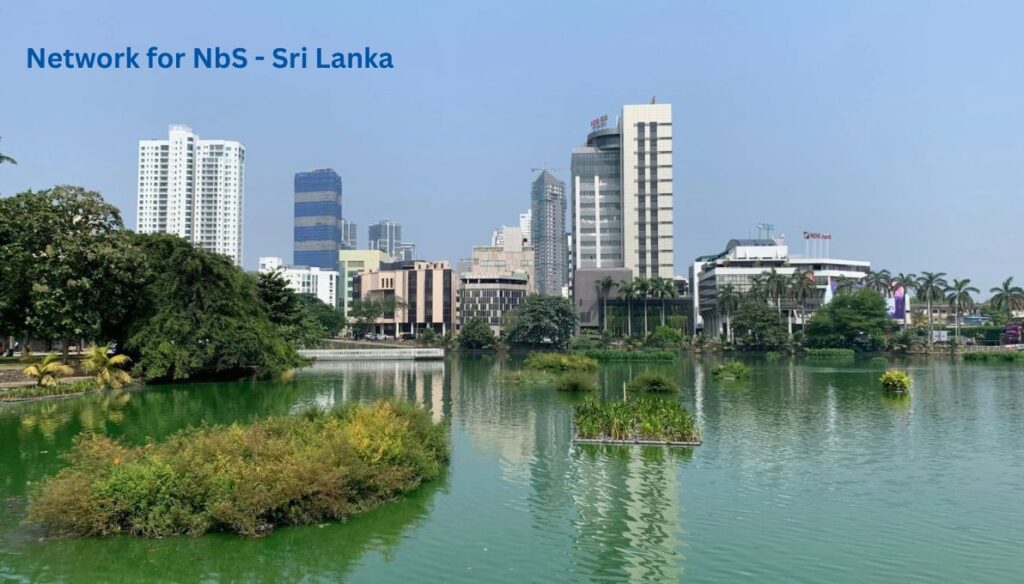
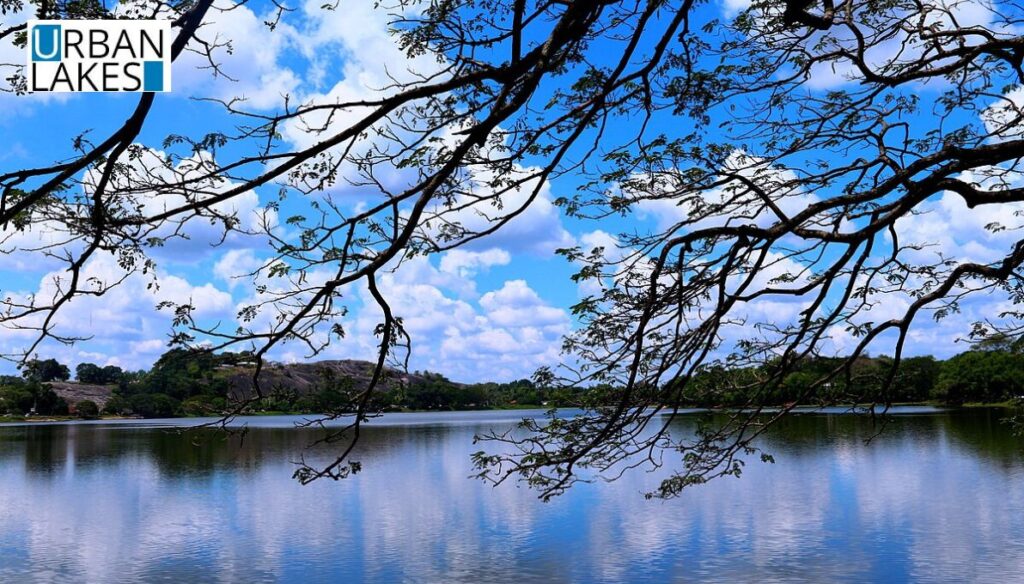
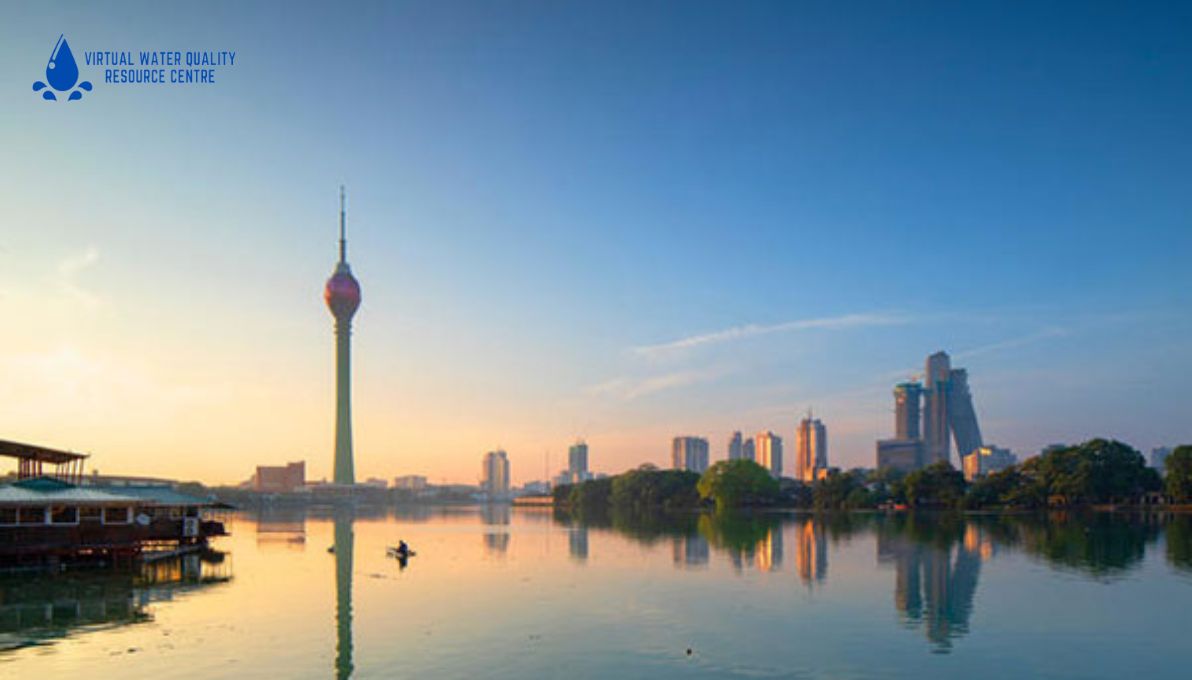
- Community & Research Support: Designed pages like the “Projects” section to showcase real-world case studies (e.g., Kandy Lake, Beira Lake), fostering community awareness and providing context for academic research.
Technical Implementation:
- Robust CMS: Implemented a flexible and secure Content Management System to allow the VWQRC team to update syllabi, data feeds, and news events without technical assistance.
Performance Optimization: Ensured the platform could handle the high volume of media (Videos) and large data files while maintaining fast loading speeds, a crucial factor for a publicly accessible, information-heavy portal.
Results & Impact
The launch of the Virtual Water Quality Resource Centre successfully achieved the goal of becoming the nation’s premier digital source for water quality intelligence, yielding significant public and academic value.
- Standardized National Data Access: The platform created a single, authoritative access point for water quality data, dramatically improving the efficiency of academic research and government monitoring efforts.
- Enhanced Educational Outreach: The dedicated Knowledge and Training modules expanded the reach of water quality education, providing resources for students and supporting public awareness and community service programs.
- Increased Research Visibility: The ability to host and display local projects and research findings (e.g., on key urban lakes) has fostered greater collaboration between government bodies, universities, and environmental organizations.
- Strengthened Institutional Credibility: The professional, data-driven online presence successfully established the Centre’s role as a reliable, indispensable national asset in environmental and educational sectors.